
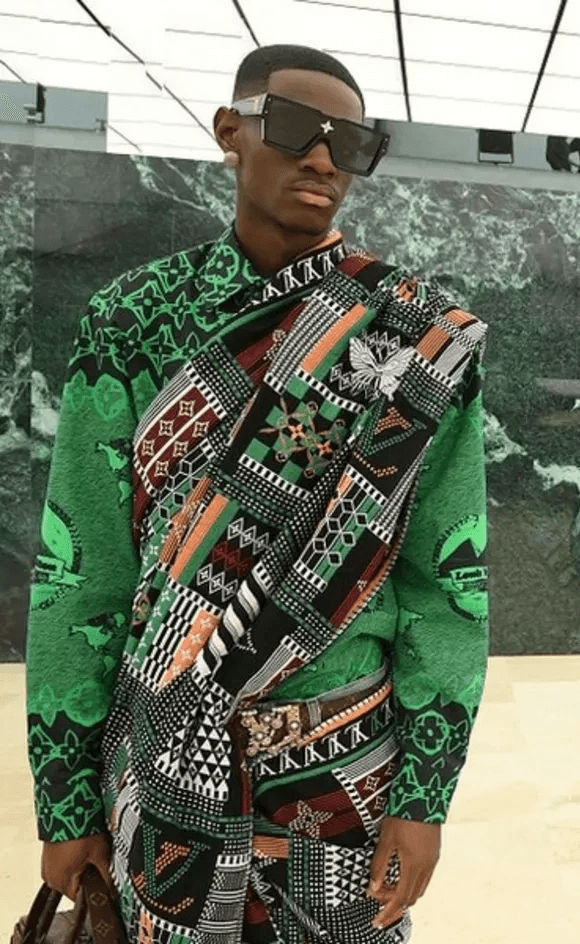
Virgil Abloh's Kente-inspired designs formed part of Louis Vuitton's Paris fashion show in January 2021 (c) Getty Images, BBC World News
Kente at Louis Vuitton FW21
Key Takeaway
Louis Vuitton’s Fall/Winter 2021 menswear collection has become one of the most visible examples of Kente entering a global luxury fashion conversation. Led by Virgil Abloh, the collection did not simply use Ghanaian textile language as decoration; critics and commentators have read it as framing Kente through questions of identity, translation, diaspora memory, and the future of cultural IP.
About the Author
ARTiSTORY offers a demand-driven portfolio of art and cultural IP, empowering brands, retailers, and venues to create authentic, culture-rich products and experiences. With access to over 170 million artifacts and artworks, as well as 30+ UNESCO-recognized intangible cultural heritages, we help our partners attract consumers drawn to art, culture, and meaning. Please refer to Our Works to see what ARTiSTORY worked with Dunhuang Mogao Cave and fashion brand Levi's.
Insight
ARTiSTORY Staff
• 3 minute read
Kente at Louis Vuitton: When Diaspora Authorship Enters Luxury Fashion
The Cultural Moment
In January 2021, Louis Vuitton presented a digital menswear collection led by Virgil Abloh. Kente-inspired textiles appeared as a focal motif, styled over hoodies and tailored silhouettes and reimagined through a tartan-like visual language. The collection has been read as a provocation: if Kente is rendered through another pattern system, does it become less Ghanaian, or does it reveal how heritage travels?
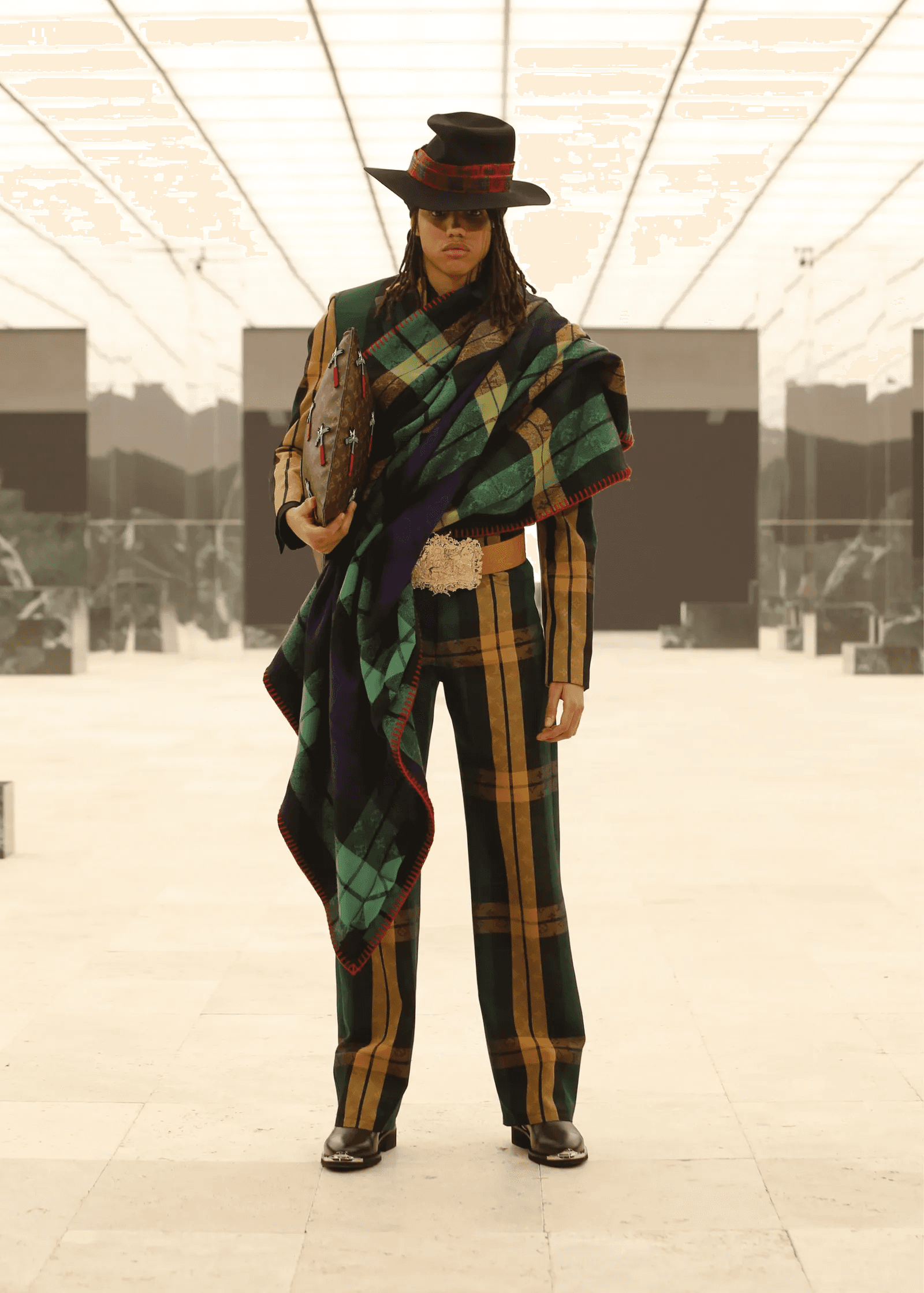
Kente cloth reimagined through a tartan-like structure in Louis Vuitton FW21 menswear.
© Louis Vuitton / Courtesy of Louis Vuitton, as published by GQ Magazine
Why It Worked
The collection’s cultural credibility came from authorship. Abloh’s Ghanaian-American background gave the work a personal foundation, allowing many observers to read the collection as a diaspora conversation rather than straightforward, anonymous luxury appropriation, even as debates about appropriation persisted. The later visibility of Amanda Gorman wearing a Kente-inspired Louis Vuitton look by Virgil Abloh in Vogue US further amplified Kente’s presence in mainstream culture.
The Commercial Angle
For luxury brands, this case shows that cultural heritage can drive editorial attention, consumer conversation, and design differentiation. But the next generation of cultural collaboration must go beyond visibility. It needs transparent sourcing, source-community attribution, and a clear benefit model for the artisans and cultural bearers whose knowledge creates the premium.
ARTiSTORY Perspective
ARTiSTORY’s role is to help brands translate heritage responsibly: not by flattening cultural symbols into patterns, but by building partnerships that preserve meaning while creating relevant products, experiences, and retail stories.
FAQ:
Why is this case important for cultural IP? Because it demonstrates both the commercial power and ethical complexity of cultural heritage in luxury fashion.
What should brands learn from it? Brands need authorship, provenance, attribution, and community benefit, especially when working with living heritage traditions.

ARTiSTORY helps brands turn the right cultural source into validated concepts, production-ready design assets and market-ready storytelling.
" height="15.00095079498291px" id="KzAesqen_" width="15.887237074279785px"/></svg>)
" height="40px" id="PdXwlesgs" width="40px"/></svg>)
" height="16.6667px" id="bN179avM0" width="16.66250000000001px"/></svg>)
" height="40px" id="sK1n39Y12" width="40px"/></svg>)
" height="13.333300000000001px" id="e3sm3FX65" width="16.662000000000006px"/></svg>)
" height="40px" id="BlhXMiVl0" width="40px"/></svg>)
" height="16.666358956956856px" id="WrXlTUAw7" width="16.668330260537772px"/></svg>)
" height="40px" id="nKu2x0iOq" width="40px"/></svg>)
Services
© 2026 ARTiSTORY. All rights reserved.
Privacy Policy
Terms of Service
Cookie Policy