
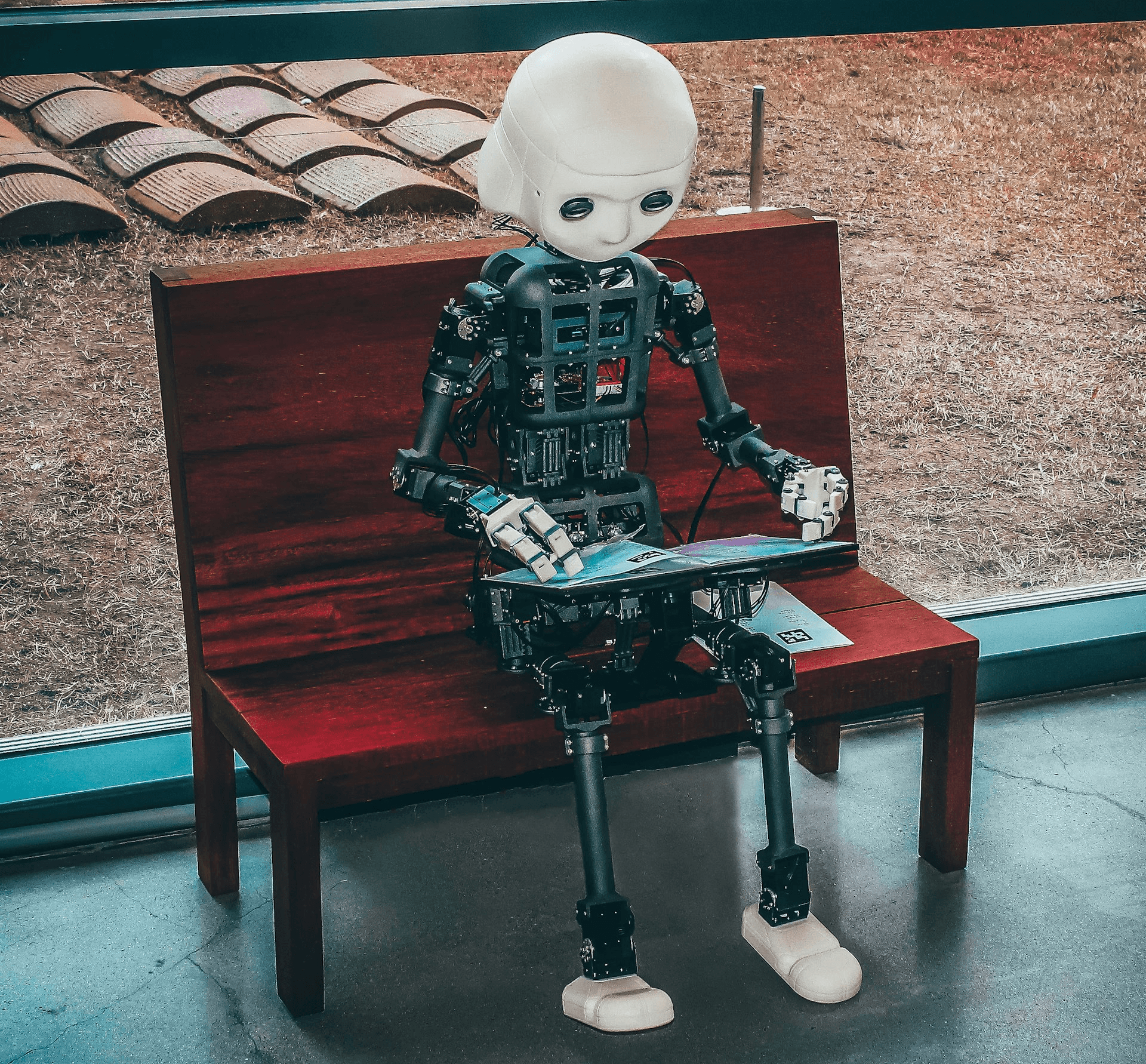
As AI tools become new gateways to information, brands need to be understood not only by search engines, but by the systems that summarize, cite, and recommend content. Photo by Andrea De Santis on Unsplash.
The Day the Bots Took Over the Web
Key Takeaway
Bots and AI agents are changing how people discover brands online. For DTC companies, the next content advantage is not only ranking in search results, but becoming credible enough to be cited, summarized, and trusted by AI systems. Cultural storytelling, museum IP, and verified heritage references give brands a distinctive foundation that generic content cannot easily copy.
About the Author
Yizan He – Founder and CEO of ARTiSTORY, Founder and Board Member of ALFILO BRANDS
With over two decades of expertise, Yizan He stands as a seasoned executive in the realm of art and cultural IP licensing, known for crafting comprehensive licensing programs for world-class museums and cultural organizations.
In 2021, Yizan established ARTiSTORY in Singapore, focusing on leading the global art and cultural IP licensing sector. Under his leadership, ARTiSTORY collaborates with dynamic Direct-to-Consumer (DTC) brands and retailers to develop art-inspired merchandise, with esteemed clients including TOMs, Cariuma, Ruggables, and the Singapore Fairmont Hotel.
Over the past decade, Yizan has been instrumental in securing master license rights for top-tier museums and cultural organizations globally, including the National Gallery (UK), the British Library, Cambridge University, the Museum of Fine Arts Boston, Centre Pompidou (France), the National Palace Museum (Taiwan), Thyssen-Bornemisza National Museum (Spain), Frida Kahlo Foundation (Spain), Benaki Museum (Greece), and UNESCO site Dunhuang (China).
Before ARTiSTORY, Yizan founded and led Alfilo Brands, where he spearheaded initiatives to develop extensive licensing and retail programs with the British Museum, the MET, Museum of Fine Arts Boston, Victoria & Albert Museum, and BBC Earth. His leadership resulted in award-winning licensing programs across over 20 product categories, enhancing the presence of these institutions in Greater China's online, retail, and immersive spaces.
Yizan's expertise in IP strategy earned him recognition as one of the top 250 IP Strategists by Intellectual Asset Management Magazine in 2011, and he has served on the judging panel of the Premier Asian Licensing Award under the aegis of the Hong Kong government.
Insight
Yizan He, Founder and CEO of ARTiSTORY - a specialist in art and cultural IP licensing.
• 3 minute read
What It Means for DTC Brands—and How Art and Museum IP Can Help
A Quiet Shift: Bots Now Dominate the Internet
Here’s a surprising reality: automated bots, not people, now generate most of the traffic on the web.
In early June 2026, more than half of all website visits (about 57%) came from automated bots (including search bots and AI bots), while humans made up less than half. These bots aren’t just quietly scanning pages anymore. AI tools like ChatGPT and Perplexity actively browse the web on our behalf, reading thousands of pages and delivering simple answers instantly.
For users, this is incredibly convenient. But for brands that rely on people visiting their websites, it marks a major shift.
Why Strong Rankings No Longer Guarantee Traffic
For years, digital marketing followed a clear rule: if your content ranked high on search engines, people would click on it.
That connection is now breaking down.
Search engines are increasingly answering questions directly on the results page. Instead of clicking through to a website, users often get an AI Overview right away through AI-generated summaries. As a result, fewer people are visiting websites—even when those sites rank well.
This means your content can be visible but not visited. You may still appear on page one, yet see far fewer clicks than before.
For DTC brands, this is a significant challenge. Blog posts and guides that once drove new customers are now being used by AI tools to generate answers—without bringing traffic back to your site. At the same time, analytics can be misleading. Bots can inflate page views, making performance look stronger than it really is. If traffic looks stable but sales lag behind, it’s not a coincidence—it’s the new reality.
A New Opportunity: Being Cited by AI

Behind every AI answer is a vast layer of automated browsing, indexing, and data processing — a web increasingly navigated by machines as much as people. Photo by İsmail Enes Ayhan on Unsplash.
Despite the decline in clicks, there is an important upside.
AI tools still rely on sources. When they generate answers, they often reference the content they trust. And being cited in these responses can be highly valuable.
Even though this type of traffic is smaller, it tends to convert better. Users who arrive through AI recommendations are often more engaged and closer to making a decision.
In simple terms, the goal is shifting. Instead of just trying to rank highly, brands now need to become trusted sources that AI systems choose to reference. It’s no longer only about visibility—it’s about credibility.
Why Cultural Storytelling Matters More Than Ever
This shift plays directly to the strengths of businesses like ARTiSTORY.
ARTiSTORY works with leading cultural institutions such as The British Library and University of Cambridge, as well as UNESCO-recognized cultural traditions like Indonesian Batik and Kente cloth. These partnerships offer more than visuals—they bring real depth, history, and authenticity.
That depth is exactly what AI systems are looking for. They increasingly favor content that feels trustworthy and distinctive, not just optimized for search. In fact, many sources cited by AI are not even top-ranked websites. What matters more is whether the content feels credible and original.
For brands, this changes how content should be created. Generic information is easy for AI to summarize. Real stories are not. An article explaining a cultural technique can be replicated by any system, but a behind-the-scenes look at artisans or a collaboration with a cultural institution carries something unique and human.
That uniqueness is what stands out.
For example, a home decor brand could create framed wall art featuring motifs made of Indonesian Batik, a UNESCO-inscribed cultural heritage. The product is simple, but the story behind it is specific: it can connect everyday interiors to a living textile tradition, while giving the brand a richer point of view than a generic pattern trend.
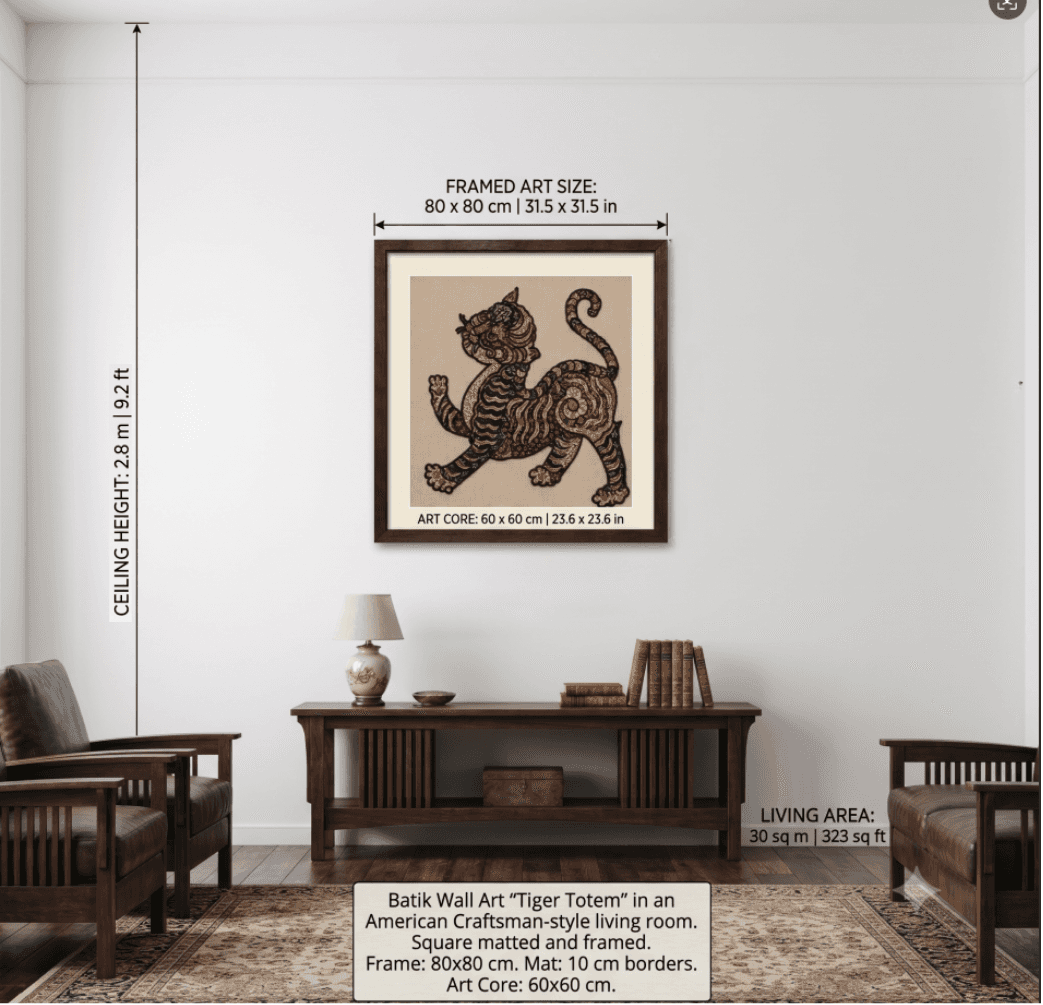
Image: A Bit of Art
A tabletop brand could take a similar approach with a porcelain dinnerware line inspired by the Asian Export Art Collection at Peabody Essex Museum. Instead of presenting the collection as decorative surface design alone, the brand can explain how historic export porcelain, global trade, craftsmanship, and museum scholarship inform a modern dining collection. That kind of context gives both consumers and AI systems something credible and distinctive to recognize.
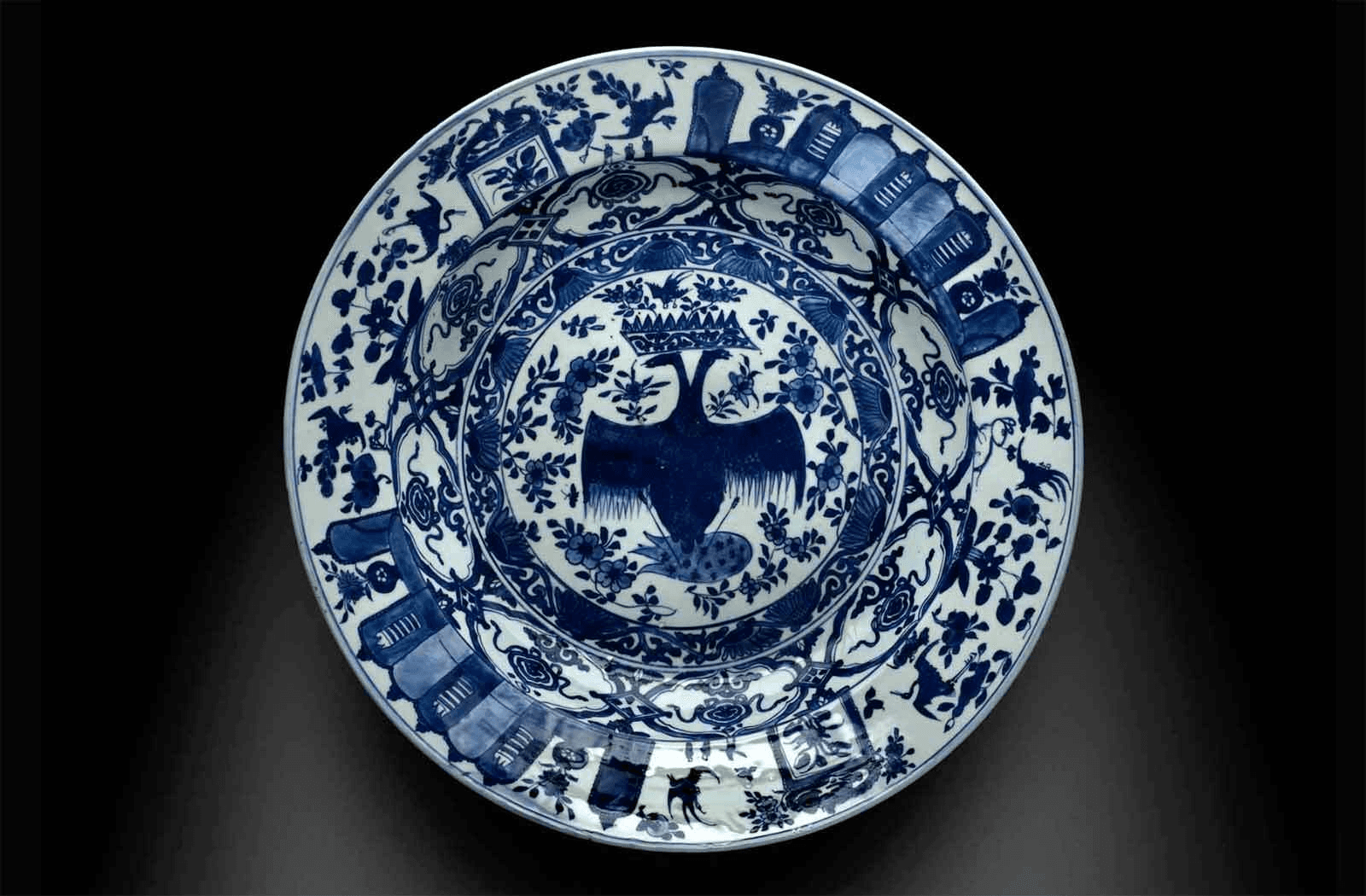
Artists in Jingdezhen, China, Charger with the Symbol of the Order of St. Augustine, 1590-1635. Porcelain. Museum purchase in memory of Joseph D. Hinkle, made possible by the Asian Export Art Visiting Committee and an anonymous donor, 1998, AE85571. Photo by Dennis Helmar, Peabody Essex Museum
Why E-E-A-T Matters for AI Visibility
This is where E-E-A-T becomes especially important. E-E-A-T stands for Experience, Expertise, Authoritativeness, and Trustworthiness. It is a concept often associated with search quality, but it is becoming just as relevant for AI visibility. When AI systems decide which sources to cite, summarize, or recommend, they look for signals that content is credible, specific, and grounded in real knowledge.
For DTC brands, E-E-A-T is not just a technical SEO checklist. It is a way to show why a brand deserves to be trusted. Experience can come from real product development, customer insight, and behind-the-scenes storytelling. Expertise can come from explaining design inspiration, materials, cultural context, and production processes clearly. Authoritativeness can be strengthened through partnerships with respected museums, archives, artists, and cultural institutions. Trustworthiness comes from accuracy, transparency, clear sourcing, and responsible storytelling.
This is another reason cultural heritage and museum IP are powerful. They provide brands with credible stories, verified references, and distinctive points of view that generic content cannot easily copy. When a brand can demonstrate E-E-A-T through authentic cultural storytelling, it becomes more useful not only to consumers, but also to AI systems looking for reliable sources to reference.
How Brands Can Adapt to the New Landscape
In this new environment, success comes from clarity, authenticity, and meaningful storytelling.
Content should be easy to understand and well structured, with clear answers to real questions. This helps both people and AI systems engage with it. At the same time, brands should focus more on building direct relationships with their audiences. Channels like email newsletters and loyalty programs are becoming more important, as they are not affected by changes in search behavior.
Most importantly, brands need to lead with meaning rather than pure promotion. Consumers—and increasingly AI systems—are looking for signals of authenticity. Products connected to cultural heritage are not just design choices; they represent stories, communities, and values. When communicated well, this creates a deeper connection that is difficult to replicate.
From a Click Economy to a Credibility Economy
What we are seeing is a fundamental shift. The web is moving from a system driven by clicks to one driven by trust.
In the past, visibility was the main goal. Today, credibility matters just as much, if not more. For DTC brands willing to adapt, this is not a setback but an opportunity to stand out in a more meaningful way.
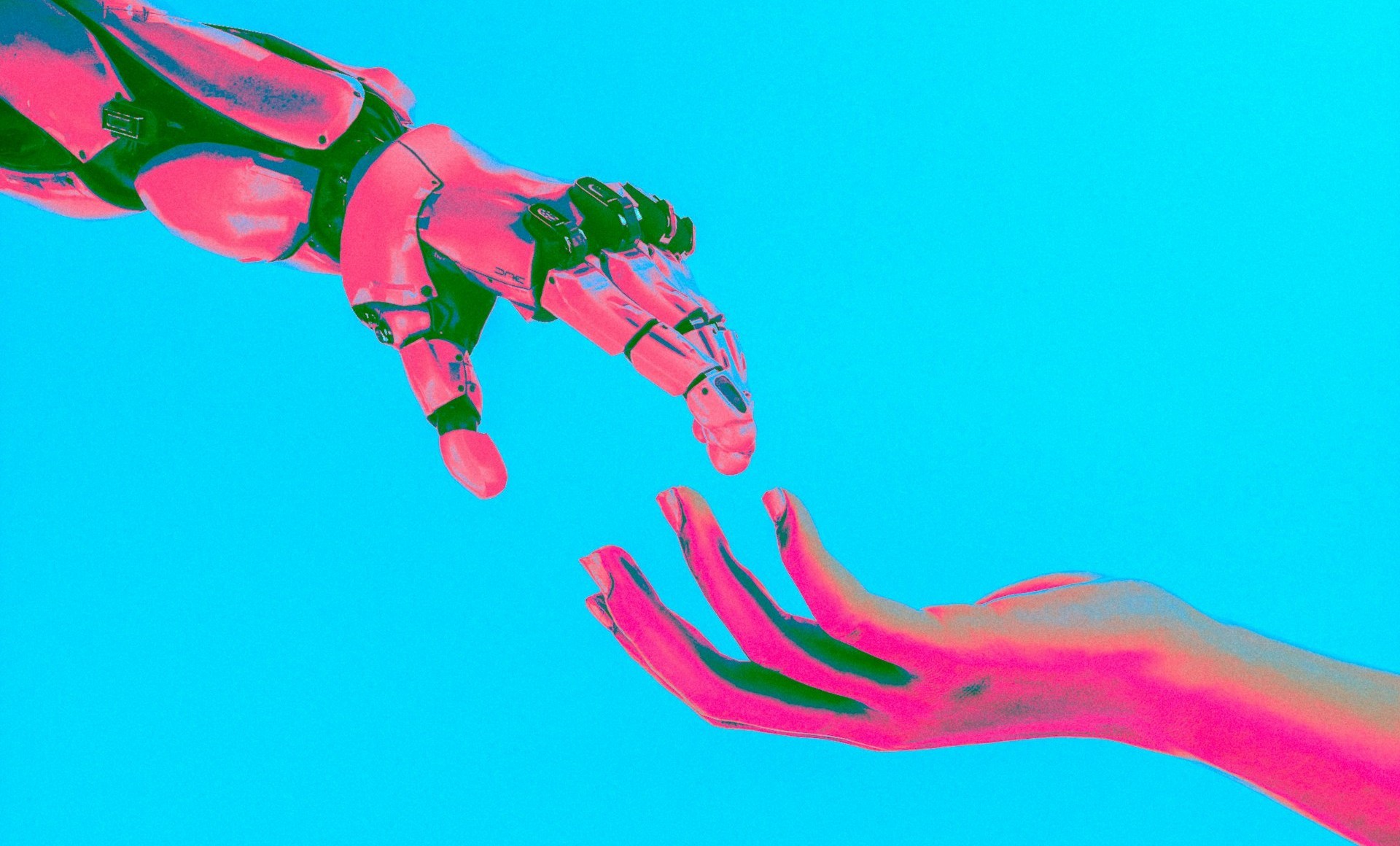
AI systems are becoming a new layer between brands and consumers, reshaping how information is discovered, summarized, and trusted. Photo by Cash Macanaya on Unsplash.
ARTiSTORY sits at the center of this shift. By combining cultural heritage, institutional partnerships, and modern brand storytelling, it offers something both distinctive and credible. These qualities resonate strongly with AI systems deciding what to cite, and with consumers deciding what to buy.
In a world where bots now outnumber humans online, it is reassuring to know that real stories—and real culture—still matter.
FAQ
Why are DTC brands seeing fewer clicks even when rankings remain strong?
Because search engines and AI tools increasingly answer questions directly in the results interface, reducing the need for users to click through to a brand site.
What does AI visibility mean for brands?
It means creating content that AI systems can understand, trust, and cite, not just content that ranks in traditional search results.
Why does cultural storytelling help with AI-era discovery?
Cultural storytelling adds verified context, named institutions, historical specificity, and human perspective, making the content more distinctive and credible.
What should DTC brands prioritize next?
Brands should strengthen original storytelling, clear sourcing, direct audience channels, and content formats that answer real customer questions.

ARTiSTORY helps brands turn the right cultural source into validated concepts, production-ready design assets and market-ready storytelling.
" height="15.00095079498291px" id="KzAesqen_" width="15.887237074279785px"/></svg>)
" height="40px" id="PdXwlesgs" width="40px"/></svg>)
" height="16.6667px" id="bN179avM0" width="16.66250000000001px"/></svg>)
" height="40px" id="sK1n39Y12" width="40px"/></svg>)
" height="13.333300000000001px" id="e3sm3FX65" width="16.662000000000006px"/></svg>)
" height="40px" id="BlhXMiVl0" width="40px"/></svg>)
" height="16.666358956956856px" id="WrXlTUAw7" width="16.668330260537772px"/></svg>)
" height="40px" id="nKu2x0iOq" width="40px"/></svg>)
Services
© 2026 ARTiSTORY. All rights reserved.
Privacy Policy
Terms of Service
Cookie Policy