Wuthering Heights
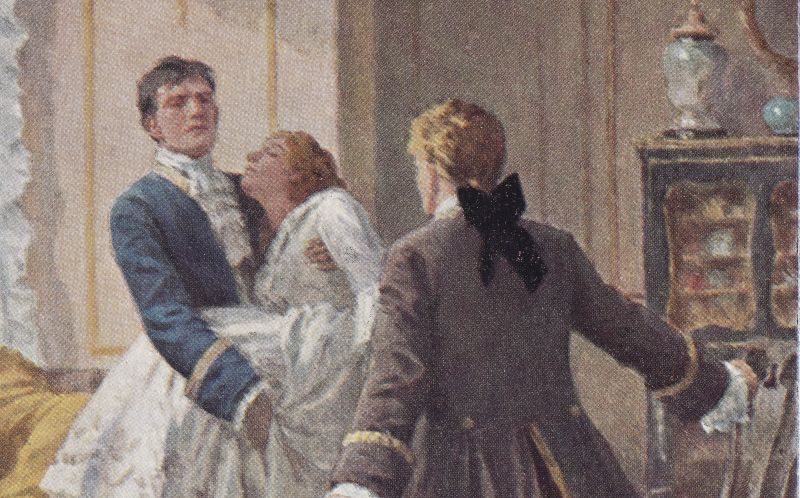
Wuthering Heights
Before it was a staple of the literary canon, Wuthering Heights was a scandal. In 1847, readers were "stunned" by the raw, gothic intensity of a story penned by the mysterious "Ellis Bell". They didn't realize they were witnessing the singular genius of Emily Brontë, a woman living a quiet life on the windswept Yorkshire moors.
Before it was a staple of the literary canon, Wuthering Heights was a scandal. In 1847, readers were "stunned" by the raw, gothic intensity of a story penned by the mysterious "Ellis Bell". They didn't realize they were witnessing the singular genius of Emily Brontë, a woman living a quiet life on the windswept Yorkshire moors.
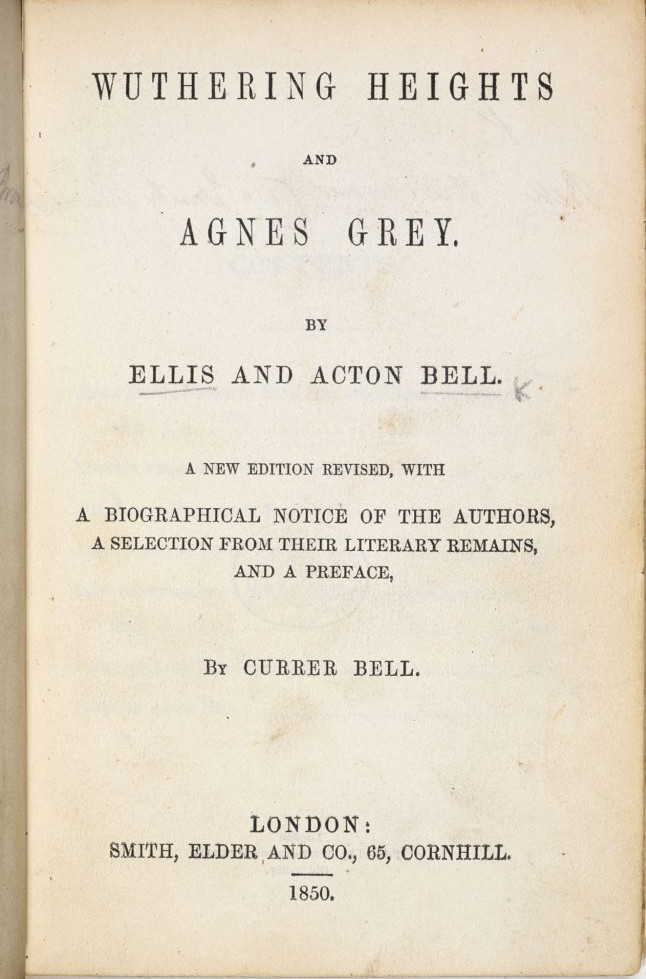
The 1850 edition later unmasked the sisters, revealing a legacy of rebellion and creative empowerment. This isn't just a romance; it is a high-stakes exploration of obsession and fate that defies class and nature itself. Today, we are still drawn to that same "untamed spirit"—a universal desire for a love so deep it becomes a part of our very soul. We don't just read Brontë; we feel the echo of the moors.
The Commercial Opportunity
Storytelling Potential:
- The "Authenticity vs. Trend" Campaign: Leverage the "Halo Effect" of the 2026 Warner Bros. film to position brand products as the authentic source material. While the film offers a modern lens, licensing the original British Library assets provides a direct, prestigious connection to Brontë's true literary voice.
- "The Art of Rebellion": Use the narrative of the Brontë sisters' secret identities to drive marketing focused on empowerment, identity, and breaking social boundaries.
Immersive Concepts:
- Gothic Romanticism Pop-Ups: Create retail experiences that blend windswept moor aesthetics with digital displays of Emily's original handwritten manuscripts and Tarrant's vibrant 1924 lithographs
- Interactive Design Assets: Develop bespoke stationery or luxury packaging lines featuring licensable period illustrations and iconic quotes that invite consumers to "uncover the secret" of the Brontë legacy