
Artifacts
The Unicorn in Captivity
Artist Unknown•The Metropolitan Museum of Art
Artifacts
The Unicorn in Captivity
This magnificent tapestry, created around 1495-1505, is the final piece in the famous Unicorn Tapestries series, showing the mythical creature in a garden enclosure.
This magnificent tapestry, created around 1495-1505, is the final piece in the famous Unicorn Tapestries series, showing the mythical creature in a garden enclosure.
The Unicorn Tapestries were likely commissioned to celebrate a marriage, possibly of Anne of Brittany to Louis XII of France. They were woven in the Southern Netherlands and represent the pinnacle of medieval tapestry art.
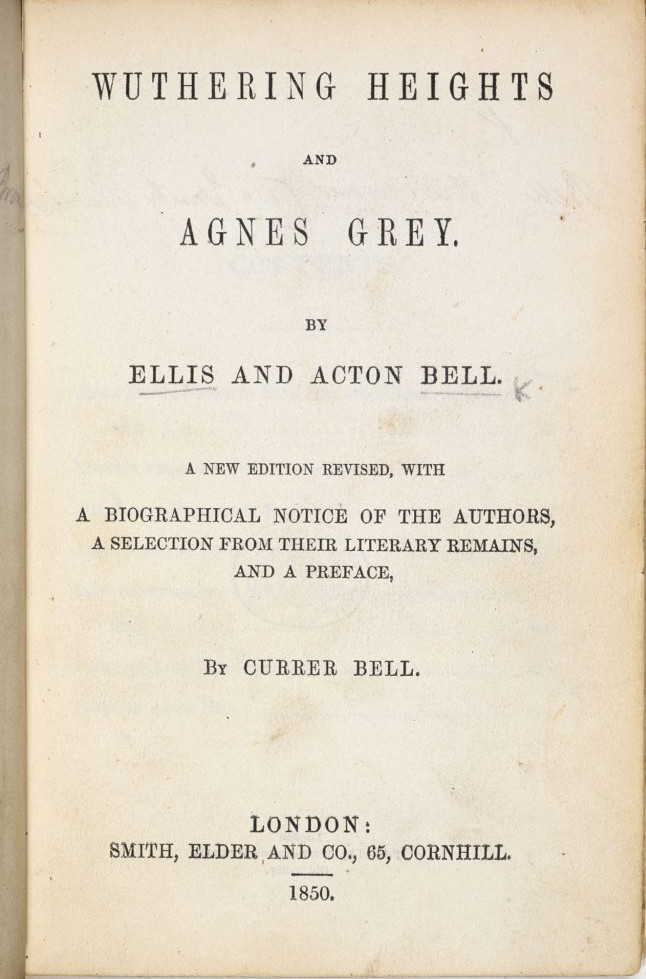
C.71.bb.4
Wuthering Heights; and Agnes Grey
by Ellis and Acton Bell
Author: Emily Brontë, Anne Brontë, and Charlotte Brontë
1850
Image: From the British Library collection
The Commercial Opportunity
Storytelling Potential:
- The tapestries are masterpieces of late medieval art, featuring incredibly detailed flora and fauna. The symbolism is rich and multilayered, with interpretations ranging from Christian allegory to secular celebration of courtly love and marriage.
Immersive Concepts:
- Created circa 1495-1505 in the Southern Netherlands
- Part of the seven-piece Unicorn Tapestries series
- Features over 100 identifiable plant species
- Rich in Christian and secular symbolism
- Housed at The Met Cloisters in New York