
Artifacts
The Thinker
Auguste Rodin•The Metropolitan Museum of Art
Artifacts
The Thinker
Originally conceived in 1880 as part of The Gates of Hell, The Thinker has become one of the most recognizable sculptures in the world, representing philosophy, poetry, and human contemplation.
Originally conceived in 1880 as part of The Gates of Hell, The Thinker has become one of the most recognizable sculptures in the world, representing philosophy, poetry, and human contemplation.
Rodin originally titled this work "The Poet," intending it to represent Dante contemplating his Divine Comedy. The sculpture was later enlarged and cast in bronze, becoming an independent work that has been reproduced in various sizes.
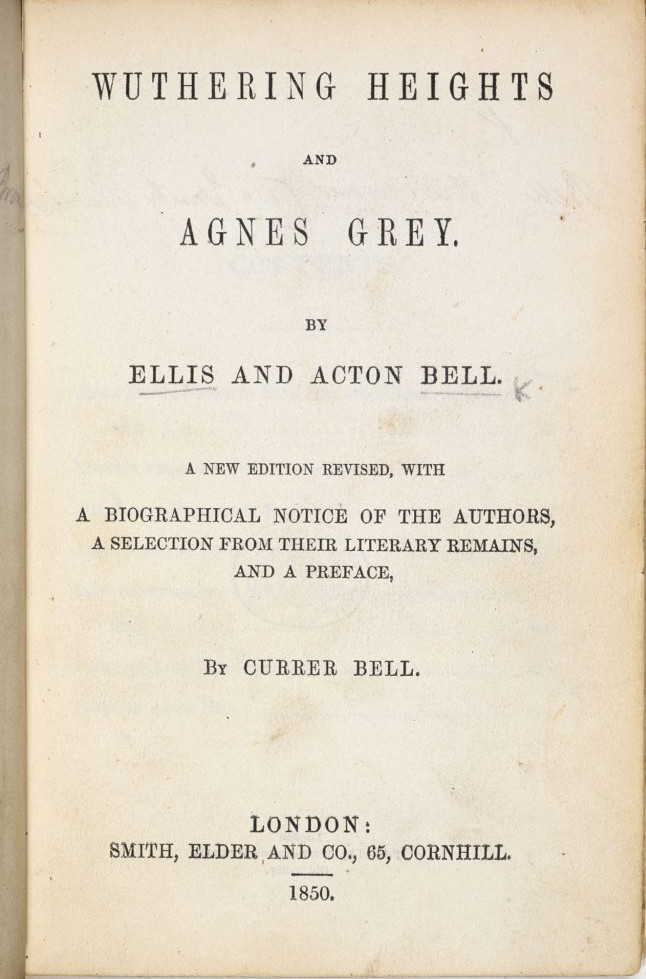
C.71.bb.4
Wuthering Heights; and Agnes Grey
by Ellis and Acton Bell
Author: Emily Brontë, Anne Brontë, and Charlotte Brontë
1850
Image: From the British Library collection
The Commercial Opportunity
Storytelling Potential:
- The Thinker embodies the power of human thought and creativity. Its muscular form combined with intellectual contemplation revolutionized sculpture, moving away from idealized classical forms toward raw human emotion and physicality.
Immersive Concepts:
- Originally created in 1880 for The Gates of Hell
- First cast in bronze in 1904
- Over 20 full-size bronze casts exist worldwide
- Originally titled "The Poet"
- Represents Dante contemplating The Divine Comedy