
Back to Stories
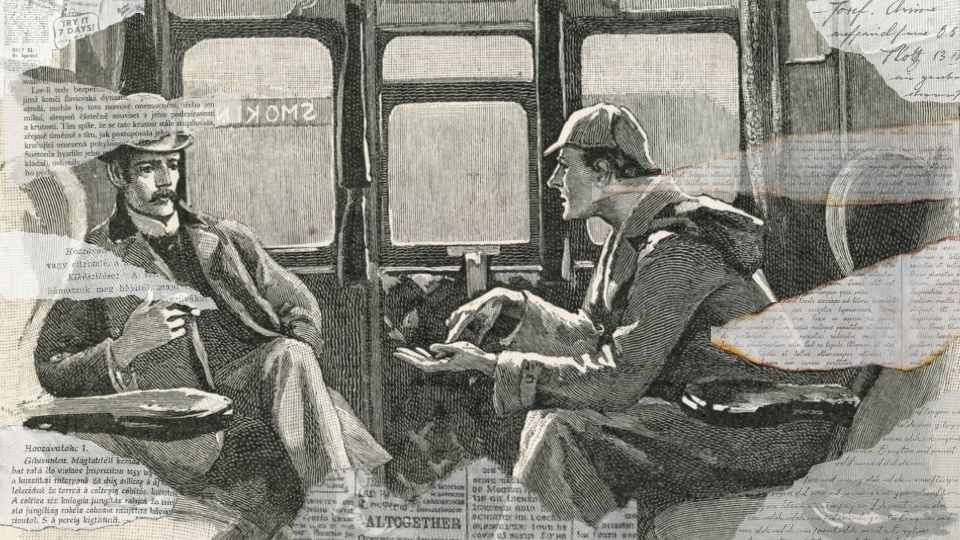
The Memoirs of Sherlock Holmes: The Art of Deduction
Key Takeaway
The Memoirs of Sherlock Holmes defined the modern mystery genre by introducing iconic figures like Mycroft and Moriarty. By blending rigorous logic with Gothic atmosphere, Doyle created a character whose analytical prowess and visual identity remain globally recognized symbols of intelligence and justice over a century later.
About ARTiSTORY
ARTiSTORY offers a demand-driven portfolio of art and cultural IP, empowering brands, retailers, and venues to create authentic, culture-rich products and experiences. With access to over 170 million artifacts and artworks, as well as 30+ UNESCO-recognized intangible cultural heritages, we help our partners attract consumers drawn to art, culture, and meaning. Please refer to Our Works to see what ARTiSTORY worked with Dunhuang Mogao Cave and fashion brand Levi's.
Literary Classics
ARTiSTORY Staff
• 3 minute read
First published in 1894, The Memoirs of Sherlock Holmes represents a pivotal chapter in the history of detective fiction. Following the massive success of Sir Arthur Conan Doyle’s first collection, these eleven stories—originally serialized in The Strand Magazine—solidified the legacy of the world’s first "consulting detective." This volume is particularly significant for expanding the Holmesian mythos, introducing readers to the detective’s personal history and his most formidable adversaries.
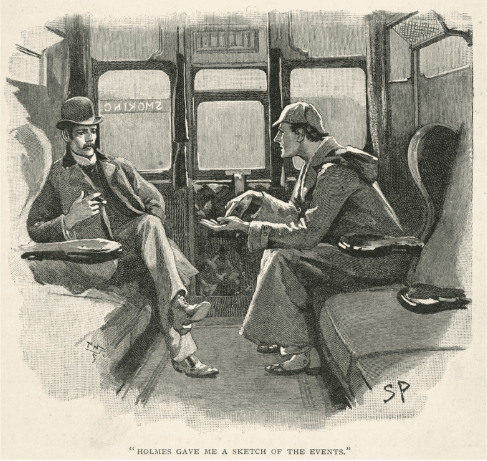
The Memoirs of Sherlock Holmes
012634.m.16
Author: Sir Arthur Conan Doyle
Artist/illustrator: Sydney Paget
1893
Image: From the British Library collection
The narrative typically follows the steadfast Dr. John Watson as he chronicles the extraordinary intellectual feats of his friend. This collection contains some of the most enduring stories in the canon, including "Silver Blaze," famous for the "curious incident of the dog in the night-time," and "The Greek Interpreter," which introduces Sherlock’s even more brilliant but indolent brother, Mycroft Holmes. These stories are masterclasses in the "science of deduction," where Holmes observes minute details—the specific wear on a watch or the chemical stains on a finger—to reconstruct a client's history and solve seemingly impossible crimes.
The cultural impact of the Memoirs is inextricably linked to the iconic illustrations of Sidney Paget. It was Paget’s pen-and-ink drawings that gave Holmes his signature deerstalker cap and Inverness cape—details never explicitly mentioned in Doyle's text but which have since become the global visual shorthand for a detective. The collection reaches its dramatic peak in "The Final Problem," where Holmes faces his intellectual equal and arch-nemesis, Professor Moriarty. Their climactic struggle at the Reichenbach Falls was famously intended by Doyle to be the character's end, leading to widespread public mourning and eventually forcing the author to resurrect the detective years later due to unprecedented popular demand.
Beyond the thrills of the hunt, the Memoirs serve as a fascinating cultural artifact of late-Victorian London. They reflect a society grappling with rapid technological change, urban expansion, and a growing fascination with forensic science. The British Library preserves these literary roots through its vast collection of historical editions and archival materials, ensuring that the "science of deduction" continues to inspire researchers and creators alike.
The Commercial Angle
Sherlock Holmes is a titan of IP licensing. The iconic silhouette and Victorian aesthetic are currently utilized for escape room franchises, puzzle games, and luxury accessories. A potential commercial opportunity exists for "The Science of Deduction" stationery sets or high-end magnifying glass replicas targeting the "Dark Academia" market.
ARTiSTORY offers a demand‑driven portfolio of art and cultural IP, empowering brands, retailers, and venues to create authentic, culture‑rich products and experiences. With access to over 170 million artifacts and artworks, as well as 30+ UNESCO‑recognized intangible cultural heritages, we help our partners attract consumers drawn to art, culture, and meaning. Please refer to Our Works to see what ARTiSTORY worked with Dunhuang Mogao Cave and fashion brand Levi’s.
Back to Home

Connecting cultures through meaningful brand collaborations and authentic storytelling that drives both impact and revenue.
" height="15.00095079498291px" id="KzAesqen_" width="15.887237074279785px"/></svg>)
" height="40px" id="PdXwlesgs" width="40px"/></svg>)
" height="16.6667px" id="bN179avM0" width="16.66250000000001px"/></svg>)
" height="40px" id="sK1n39Y12" width="40px"/></svg>)
" height="13.333300000000001px" id="e3sm3FX65" width="16.662000000000006px"/></svg>)
" height="40px" id="BlhXMiVl0" width="40px"/></svg>)
" height="16.666358956956856px" id="WrXlTUAw7" width="16.668330260537772px"/></svg>)
" height="40px" id="nKu2x0iOq" width="40px"/></svg>)
Services
© 2026 ARTiSTORY. All rights reserved.
Privacy Policy
Terms of Service
Cookie Policy