
National Library Treasures
The Rosetta Stone
Ancient Egyptian•The British Museum
National Library Treasures
The Rosetta Stone
Discovered in 1799, the Rosetta Stone is a granodiorite stele inscribed with three versions of a decree issued in Memphis, Egypt in 196 BC, providing the key to deciphering Egyptian hieroglyphs.
Discovered in 1799, the Rosetta Stone is a granodiorite stele inscribed with three versions of a decree issued in Memphis, Egypt in 196 BC, providing the key to deciphering Egyptian hieroglyphs.
Found by French soldiers during Napoleon's Egyptian campaign, the stone was surrendered to the British in 1801 and has been displayed in the British Museum since 1802. Its trilingual inscription enabled scholars to finally decode ancient Egyptian writing.
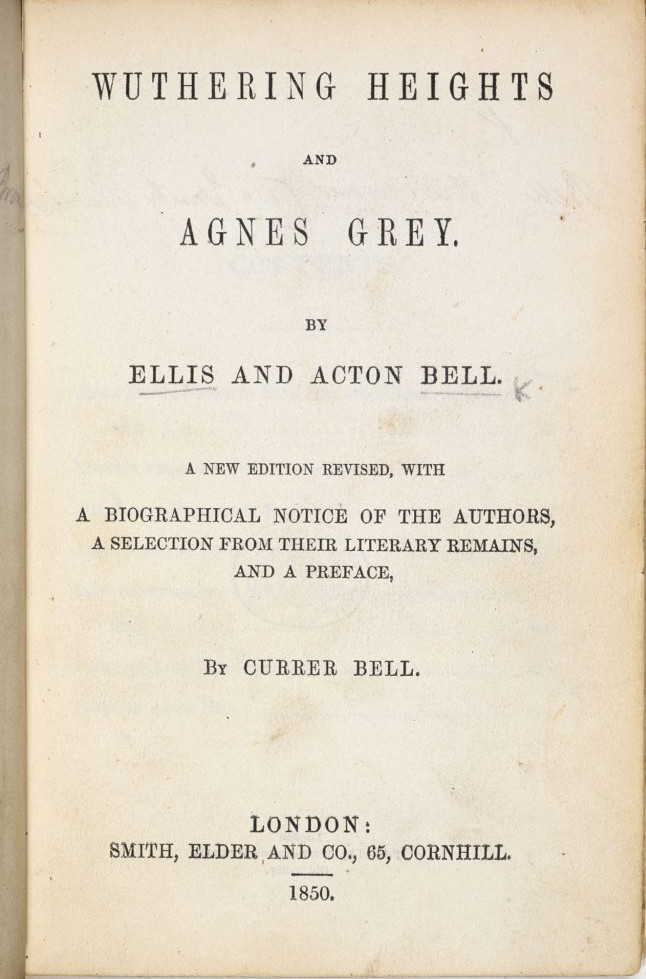
C.71.bb.4
Wuthering Heights; and Agnes Grey
by Ellis and Acton Bell
Author: Emily Brontë, Anne Brontë, and Charlotte Brontë
1850
Image: From the British Library collection
The Commercial Opportunity
Storytelling Potential:
- The Rosetta Stone is one of the most important archaeological discoveries in history. By providing the same text in hieroglyphic, Demotic, and ancient Greek, it allowed scholars like Jean-François Champollion to unlock the secrets of ancient Egyptian civilization.
Immersive Concepts:
- Created in 196 BC during the Ptolemaic dynasty
- Discovered in 1799 near the town of Rosetta (Rashid)
- Inscribed in three scripts: hieroglyphic, Demotic, and Greek
- Key to deciphering Egyptian hieroglyphs
- One of the most visited objects in the British Museum