
Back to Stories
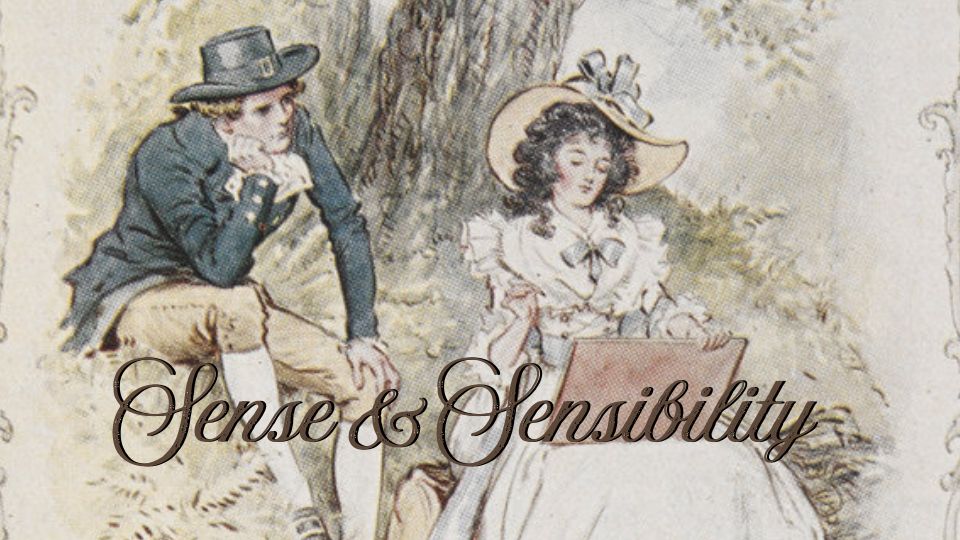
Jane Austen's Sense and Sensibility Study | ARTiSTORY
Key Takeaway
Jane Austen’s Sense and Sensibility is a definitive exploration of the tension between social duty and personal passion. By debuting with this sharp social satire, Austen paved the way for the modern romantic novel, creating a template for character-driven storytelling that remains globally influential in literature and design today.
About ARTiSTORY
ARTiSTORY offers a demand-driven portfolio of art and cultural IP, empowering brands, retailers, and venues to create authentic, culture-rich products and experiences. With access to over 170 million artifacts and artworks, as well as 30+ UNESCO-recognized intangible cultural heritages, we help our partners attract consumers drawn to art, culture, and meaning. Please refer to Our Works to see what ARTiSTORY worked with Dunhuang Mogao Cave and fashion brand Levi's.
Literary Classics
ARTiSTORY Staff
• 3 minute read
First published in 1811, Sense and Sensibility marked the remarkable debut of Jane Austen, one of the most beloved novelists in the English language. Originally released under the pseudonym "A Lady," the novel established Austen’s signature style: a sharp, witty, and deeply observant critique of the British landed gentry. The story centers on the Dashwood sisters—Elinor and Marianne—who represent the two poles of human temperament referenced in the title. Following the death of their father and the loss of their family estate, Norland Park, the sisters must navigate the restrictive social and economic landscape of Regency England while seeking personal fulfillment and love.
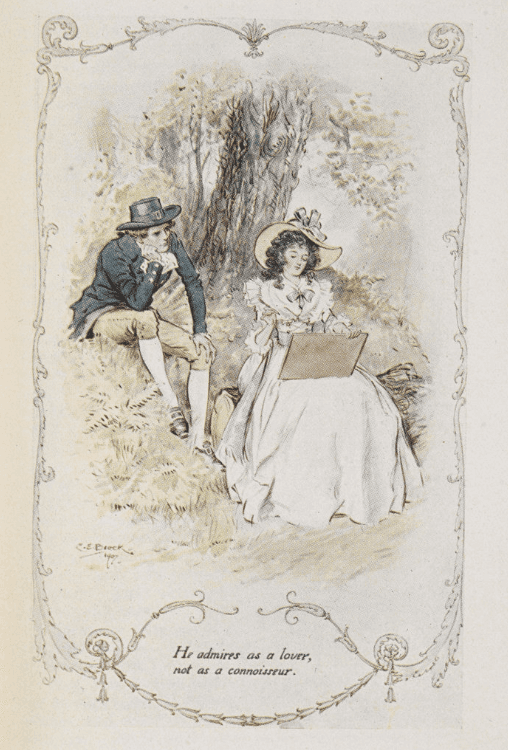
Sense & Sensibility
012208.g.2/6
Jane Austen
1908
Image: From the British Library collection
The narrative contrast between the sisters drives the novel's enduring appeal. Elinor, representing "Sense," is cautious, composed, and governed by social propriety, often masking her deep emotions to protect her family. In contrast, Marianne embodies "Sensibility"—she is passionate, impulsive, and uncompromising in her emotional expression. Through their parallel romantic entanglements with Edward Ferrars, Willoughby, and Colonel Brandon, Austen explores the necessity of balancing cold logic with warm emotion. The novel’s cultural significance lies in its realistic portrayal of women’s limited options in the early 19th century, where marriage was often a strategic necessity rather than a romantic choice.
The visual legacy of Sense and Sensibility is intrinsically linked to the Regency aesthetic. The British Library holds significant artifacts related to Austen’s work, including early editions and the celebrated illustrations by Charles Edmund Brock from the early 20th century. These illustrations helped solidify the popular image of the "Austen world"—one of empire-waist gowns, manicured English gardens, and elegant drawing rooms. This "Regency-core" style has seen a massive resurgence in modern media, from faithful film adaptations to contemporary series that draw inspiration from the era’s distinct social mores and fashion.
The Commercial Angle
Sense and Sensibility is a cornerstone of Regency-era licensing. Its elegant motifs are frequently seen in floral-patterned tea sets, luxury stationery, and "bookish" apparel. Given the specific focus on the two sisters, a potential commercial opportunity lies in a dual-concept fragrance or skincare line, with "Sense" featuring crisp, clean scents and "Sensibility" offering romantic, floral notes.
ARTiSTORY offers a demand‑driven portfolio of art and cultural IP, empowering brands, retailers, and venues to create authentic, culture‑rich products and experiences. With access to over 170 million artifacts and artworks, as well as 30+ UNESCO‑recognized intangible cultural heritages, we help our partners attract consumers drawn to art, culture, and meaning. Please refer to Our Works to see what ARTiSTORY worked with Dunhuang Mogao Cave and fashion brand Levi’s.
Back to Home

Connecting cultures through meaningful brand collaborations and authentic storytelling that drives both impact and revenue.
" height="15.00095079498291px" id="KzAesqen_" width="15.887237074279785px"/></svg>)
" height="40px" id="PdXwlesgs" width="40px"/></svg>)
" height="16.6667px" id="bN179avM0" width="16.66250000000001px"/></svg>)
" height="40px" id="sK1n39Y12" width="40px"/></svg>)
" height="13.333300000000001px" id="e3sm3FX65" width="16.662000000000006px"/></svg>)
" height="40px" id="BlhXMiVl0" width="40px"/></svg>)
" height="16.666358956956856px" id="WrXlTUAw7" width="16.668330260537772px"/></svg>)
" height="40px" id="nKu2x0iOq" width="40px"/></svg>)
Services
© 2026 ARTiSTORY. All rights reserved.
Privacy Policy
Terms of Service
Cookie Policy