
Artifacts
The Gayer-Anderson Cat
Ancient Egyptian•The British Museum
Artifacts
The Gayer-Anderson Cat
This bronze statue of a seated cat, dating from around 664-332 BC, represents the goddess Bastet and exemplifies the ancient Egyptians' reverence for felines.
This bronze statue of a seated cat, dating from around 664-332 BC, represents the goddess Bastet and exemplifies the ancient Egyptians' reverence for felines.
The statue was acquired by Major Robert Grenville Gayer-Anderson and his brother in 1934 and donated to the British Museum in 1939. It was likely used as a container for a cat mummy, reflecting the ancient Egyptian practice of mummifying sacred animals.
C.71.bb.4
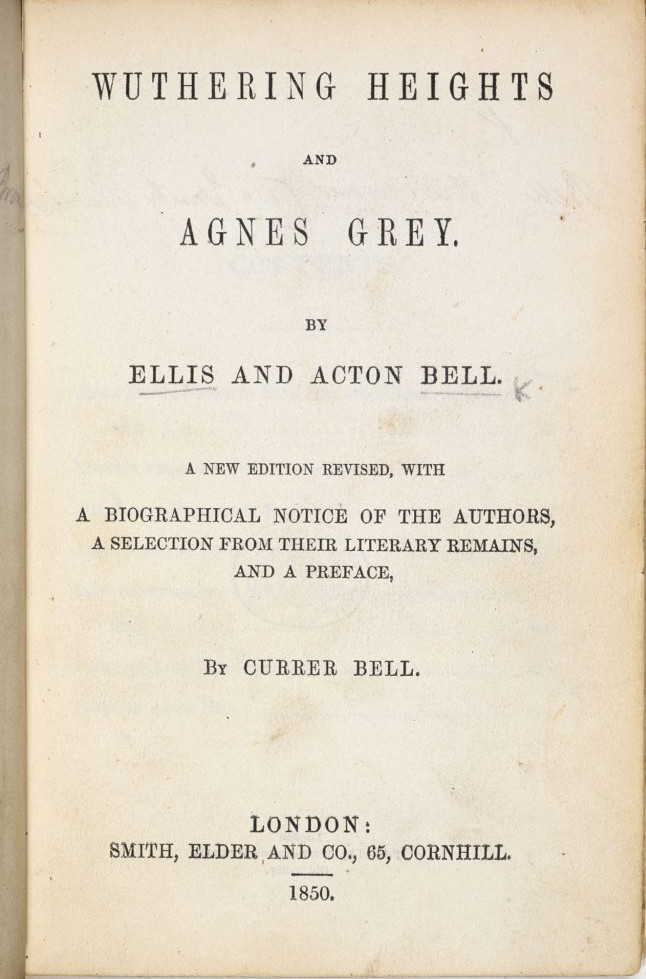
Wuthering Heights; and Agnes Grey
by Ellis and Acton Bell
Author: Emily Brontë, Anne Brontë, and Charlotte Brontë
1850
Image: From the British Library collection
The Commercial Opportunity
Storytelling Potential:
- The Gayer-Anderson Cat is one of the finest examples of ancient Egyptian bronze work. Cats were sacred to the goddess Bastet, and this sculpture demonstrates the skill of Egyptian metalworkers and the importance of cats in Egyptian religion and daily life.
Immersive Concepts:
- Created during the Late Period (664-332 BC)
- Made of bronze with gold and silver details
- Represents the goddess Bastet
- Features a scarab beetle on the head
- Named after its donor, Major Gayer-Anderson