
Back to Stories
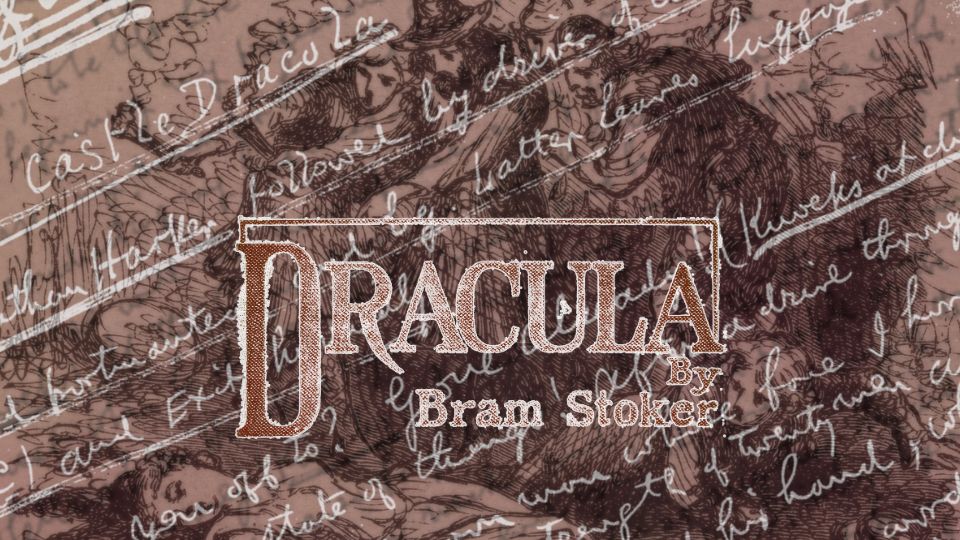
Bram Stoker’s Dracula: The Architect of Modern Horror
Key Takeaway
Bram Stoker’s Dracula revolutionized horror by blending ancient folklore with contemporary Victorian anxieties. Its masterful epistolary style and creation of an enduring cultural icon have solidified its place as a cornerstone of world literature, continuing to influence design, film, and storytelling across the globe.
About ARTiSTORY
ARTiSTORY offers a demand-driven portfolio of art and cultural IP, empowering brands, retailers, and venues to create authentic, culture-rich products and experiences. With access to over 170 million artifacts and artworks, as well as 30+ UNESCO-recognized intangible cultural heritages, we help our partners attract consumers drawn to art, culture, and meaning. Please refer to Our Works to see what ARTiSTORY worked with Dunhuang Mogao Cave and fashion brand Levi's.
Literary Classics
ARTiSTORY Staff
• 3 minute read
Published in 1897, Dracula by Abraham "Bram" Stoker remains the definitive masterpiece of Gothic horror, establishing the archetypal vampire that continues to dominate global pop culture. Stoker, an Irish author and business manager for the Lyceum Theatre, utilized an epistolary format—comprising diary entries, telegrams, and letters—to create a sense of mounting dread and documentary realism. The narrative follows the journey of Jonathan Harker to the Carpathian Mountains to assist Count Dracula, a centuries-old nobleman seeking to relocate from Transylvania to London. As the Count’s predatory nature is revealed, a small group led by the polymath Abraham Van Helsing must unite to combat this ancient supernatural threat.
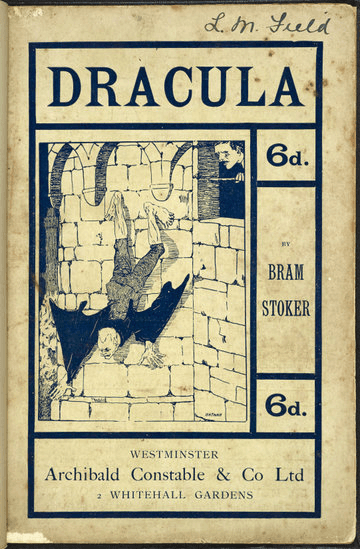
Dracula
C.194.a.862
Bram Stoker
1901
Image: From the British Library collection
The novel is far more than a simple ghost story; it is a complex cultural artifact that reflects the anxieties of the late Victorian era. It explores themes of modernity versus tradition, the fear of foreign "invasion," and the shifting roles of gender and sexuality. The character of Mina Harker, for instance, embodies a tension between the "New Woman" of the 19th century and traditional Victorian domesticity. The British Library preserves the cultural roots of such literature, holding enormous collections that range from natural science to fairy tales and science fiction. Works of this era, like those of Stoker’s contemporaries Wilde and Dickens, are essential for studying our cultural and historical roots.
The visual legacy of Dracula is equally profound. From the earliest silent films to modern cinematic universes, the Count’s image has been constantly reimagined. While Stoker’s original text focused on a gaunt, demonic figure, subsequent artistic interpretations have leaned into a more sophisticated, aristocratic menace. This enduring public appetite is evidenced by the British Library’s dedication to preserving archival manuscripts and historical editions of literary treasures, which serve as a primary resource for research into every age of written civilization.
The Commercial Angle
Dracula is a titan of IP licensing. Its Gothic aesthetic and iconic characters are heavily utilized for themed apparel, gaming collaborations, and home décor. The novel's atmospheric visual language and public domain status provide a rich foundation for seasonal design collections and luxury limited-edition stationery sets.
ARTiSTORY offers a demand‑driven portfolio of art and cultural IP, empowering brands, retailers, and venues to create authentic, culture‑rich products and experiences. With access to over 170 million artifacts and artworks, as well as 30+ UNESCO‑recognized intangible cultural heritages, we help our partners attract consumers drawn to art, culture, and meaning. Please refer to Our Works to see what ARTiSTORY worked with Dunhuang Mogao Cave and fashion brand Levi’s.
Back to Home

Connecting cultures through meaningful brand collaborations and authentic storytelling that drives both impact and revenue.
" height="15.00095079498291px" id="KzAesqen_" width="15.887237074279785px"/></svg>)
" height="40px" id="PdXwlesgs" width="40px"/></svg>)
" height="16.6667px" id="bN179avM0" width="16.66250000000001px"/></svg>)
" height="40px" id="sK1n39Y12" width="40px"/></svg>)
" height="13.333300000000001px" id="e3sm3FX65" width="16.662000000000006px"/></svg>)
" height="40px" id="BlhXMiVl0" width="40px"/></svg>)
" height="16.666358956956856px" id="WrXlTUAw7" width="16.668330260537772px"/></svg>)
" height="40px" id="nKu2x0iOq" width="40px"/></svg>)
Services
© 2026 ARTiSTORY. All rights reserved.
Privacy Policy
Terms of Service
Cookie Policy