
Back to Stories
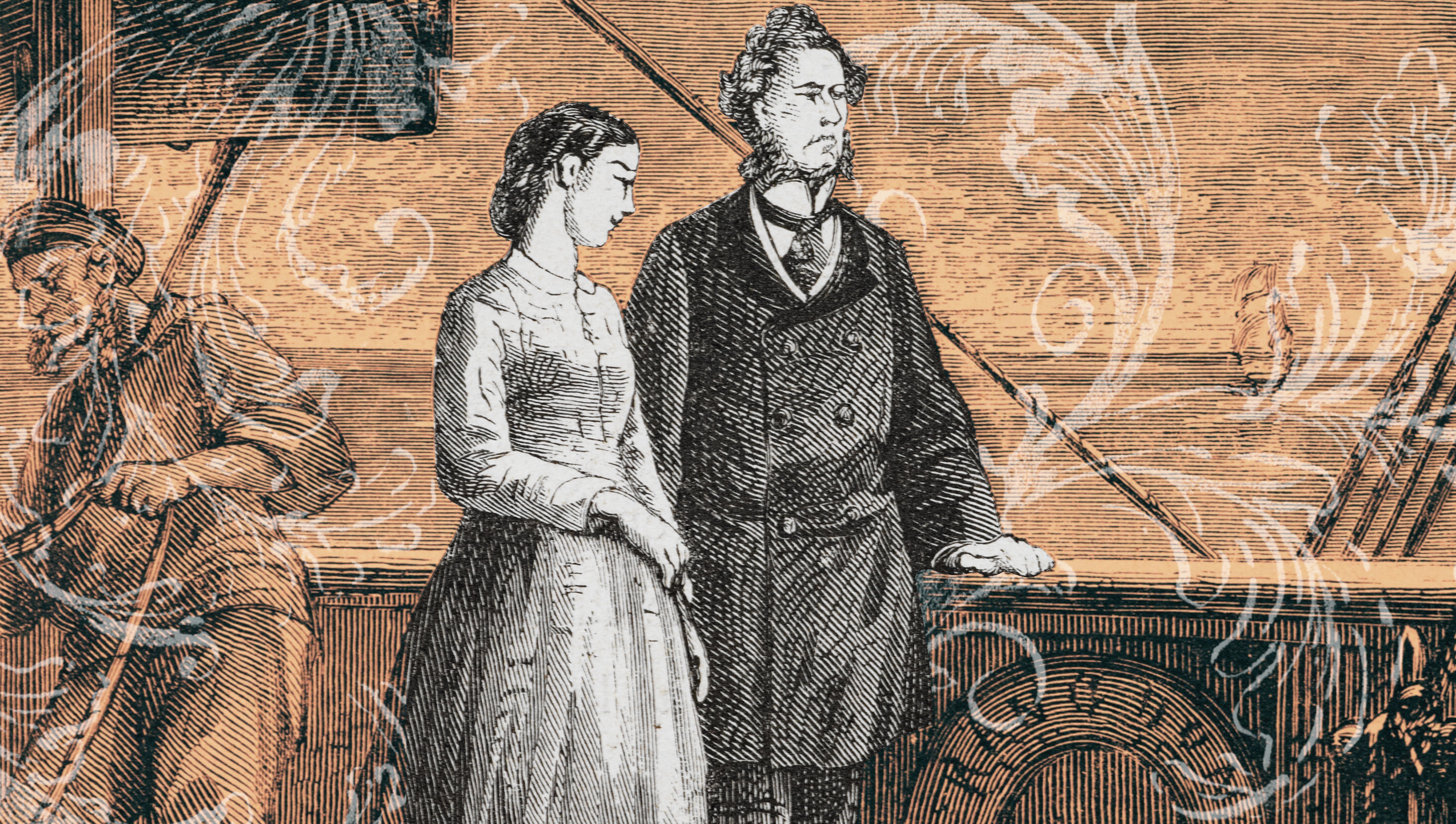
Around the World in Eighty Days: A Jules Verne Classic
Key Takeaway
Jules Verne’s Around the World in Eighty Days serves as a cultural blueprint for the modern age of connectivity. By turning Victorian infrastructure into a thrilling race against time, Verne created a timeless narrative of precision and ambition that continues to define the aesthetics of luxury travel and global exploration.
About ARTiSTORY
ARTiSTORY offers a demand-driven portfolio of art and cultural IP, empowering brands, retailers, and venues to create authentic, culture-rich products and experiences. With access to over 170 million artifacts and artworks, as well as 30+ UNESCO-recognized intangible cultural heritages, we help our partners attract consumers drawn to art, culture, and meaning. Please refer to Our Works to see what ARTiSTORY worked with Dunhuang Mogao Cave and fashion brand Levi's.
Literary Classics
ARTiSTORY Staff
• 3 minute read
The Clockwork Journey: Jules Verne and the Victorian Revolution Throuigh Around the World in Eighty Days
In 1872, Jules Verne’s Around the World in Eighty Days transformed global travel from a perilous uncertainty into a triumph of Victorian engineering. The narrative follows Phileas Fogg, a man described as a "mathematical machine," who bets his fortune that he can circumnavigate the globe in exactly eighty days. Relying on the British Library’s rich archives, we see how Fogg’s journey was powered by the "Golden Age of Travel"—a period defined by the expansion of steamships, the synchronization of "Railway Time," and the opening of the Suez Canal.
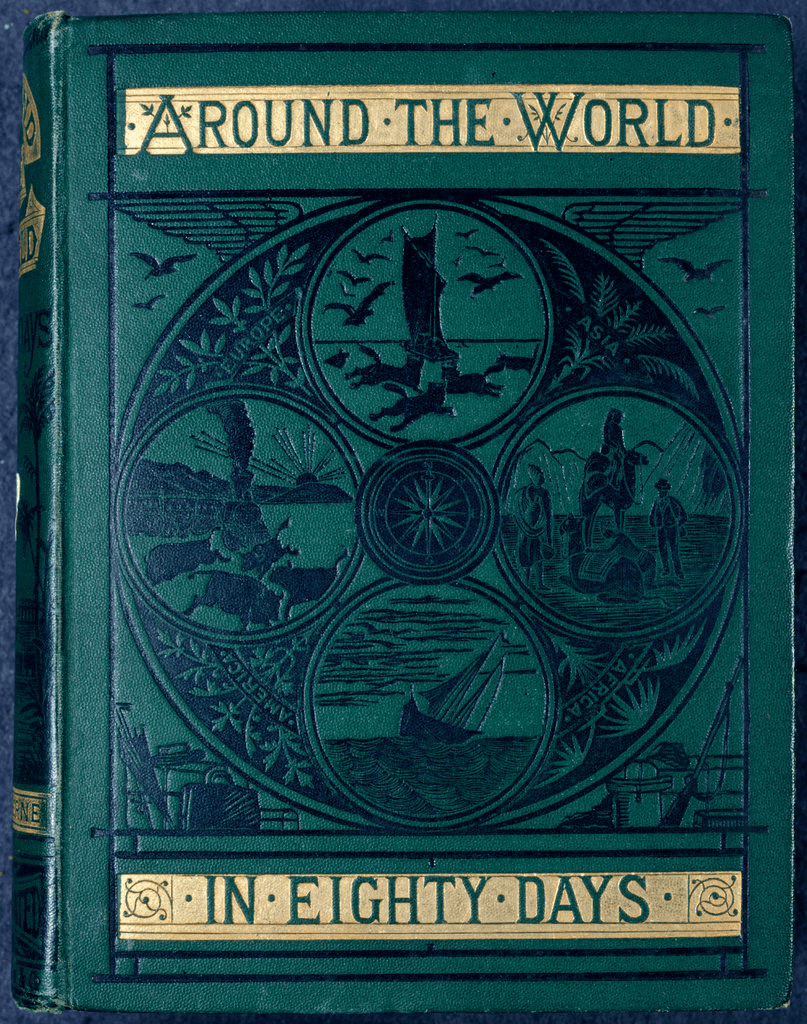
Around the World in Eighty Days
1608/4408
Author: Jules Verne
Place of production: Sampson Low, Marston, Searle, & Rivington, London
1888
Image: From the British Library collection
Verne, a meticulous researcher who kept 20,000 index cards on scientific specs, used these emerging infrastructures to create a "live" status update for readers. The book’s cultural authority is anchored in authentic artifacts, such as the 1888 Sampson Low edition (Shelfmark: 1608/4408) and the vivid illustrations of Léon Bennett. Fogg wasn't just a tourist; he was the first fictional influencer, proving that through discipline and precision, the entire world could finally be "synced" and conquered.
The Commercial Angle This IP has a long history of commercial success, dating back to 19th-century board games and themed dinner sets. Today, its aesthetic is perfect for luxury travel journals, "Regency-core" accessories, and heritage-focused collaborations with brands like Montblanc, which recently launched a collection inspired by Fogg’s adventurous spirit.
ARTiSTORY offers a demand‑driven portfolio of art and cultural IP, empowering brands, retailers, and venues to create authentic, culture‑rich products and experiences. With access to over 170 million artifacts and artworks, as well as 30+ UNESCO‑recognized intangible cultural heritages, we help our partners attract consumers drawn to art, culture, and meaning. Please refer to Our Works to see what ARTiSTORY worked with Dunhuang Mogao Cave and fashion brand Levi’s.
Back to Home

Connecting cultures through meaningful brand collaborations and authentic storytelling that drives both impact and revenue.
" height="15.00095079498291px" id="KzAesqen_" width="15.887237074279785px"/></svg>)
" height="40px" id="PdXwlesgs" width="40px"/></svg>)
" height="16.6667px" id="bN179avM0" width="16.66250000000001px"/></svg>)
" height="40px" id="sK1n39Y12" width="40px"/></svg>)
" height="13.333300000000001px" id="e3sm3FX65" width="16.662000000000006px"/></svg>)
" height="40px" id="BlhXMiVl0" width="40px"/></svg>)
" height="16.666358956956856px" id="WrXlTUAw7" width="16.668330260537772px"/></svg>)
" height="40px" id="nKu2x0iOq" width="40px"/></svg>)
Services
© 2026 ARTiSTORY. All rights reserved.
Privacy Policy
Terms of Service
Cookie Policy