
Paintings
The Arnolfini Portrait
Jan van Eyck•National Gallery, London
Paintings
The Arnolfini Portrait
Painted in 1434, this double portrait is one of the most complex and intriguing paintings in Western art, showcasing Jan van Eyck's mastery of oil painting and symbolism.
Painted in 1434, this double portrait is one of the most complex and intriguing paintings in Western art, showcasing Jan van Eyck's mastery of oil painting and symbolism.
The painting depicts Giovanni di Nicolao Arnolfini and his wife in their home in Bruges. It is believed to commemorate their marriage or betrothal. The work demonstrates van Eyck's revolutionary use of oil paint and attention to detail.
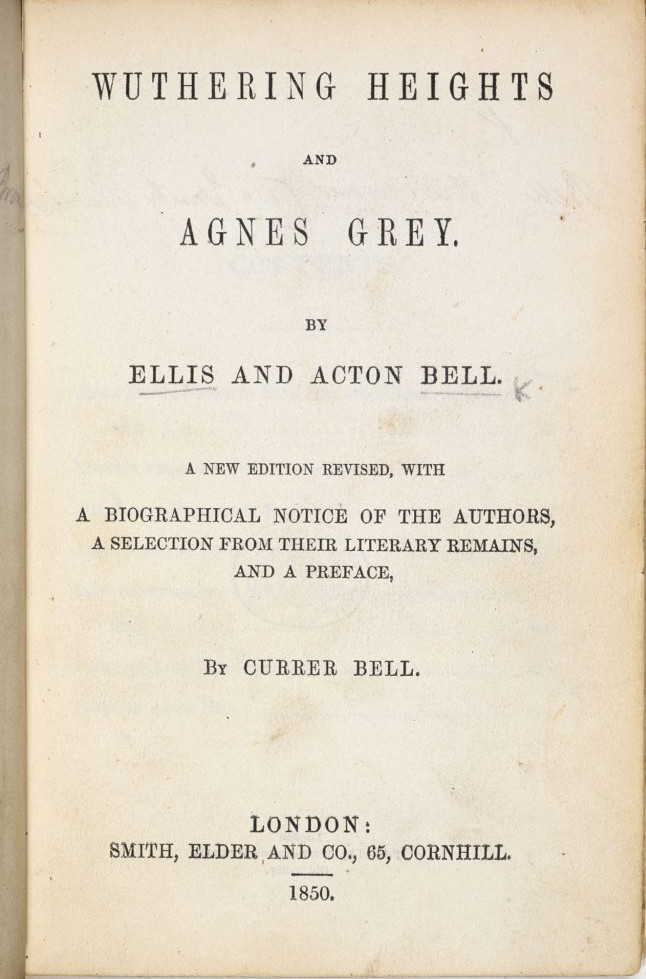
C.71.bb.4
Wuthering Heights; and Agnes Grey
by Ellis and Acton Bell
Author: Emily Brontë, Anne Brontë, and Charlotte Brontë
1850
Image: From the British Library collection
The Commercial Opportunity
Storytelling Potential:
- The Arnolfini Portrait is celebrated for its technical brilliance and rich symbolism. Every object in the painting carries meaning, from the convex mirror reflecting the room to the single candle in the chandelier. It represents a pinnacle of Northern Renaissance art.
Immersive Concepts:
- Painted in 1434 by Jan van Eyck
- Features intricate symbolism throughout
- The convex mirror shows two additional figures
- Demonstrates mastery of oil painting technique
- One of the National Gallery's most famous works