
Paintings
The Ambassadors
Hans Holbein the Younger•National Gallery, London
Paintings
The Ambassadors
Painted in 1533, this double portrait depicts two wealthy, educated, and powerful young men surrounded by objects representing the arts and sciences, with a hidden memento mori.
Painted in 1533, this double portrait depicts two wealthy, educated, and powerful young men surrounded by objects representing the arts and sciences, with a hidden memento mori.
The painting shows Jean de Dinteville, French ambassador to England, and Georges de Selve, Bishop of Lavaur. Holbein created this work during his second period in England, serving as court painter to Henry VIII.
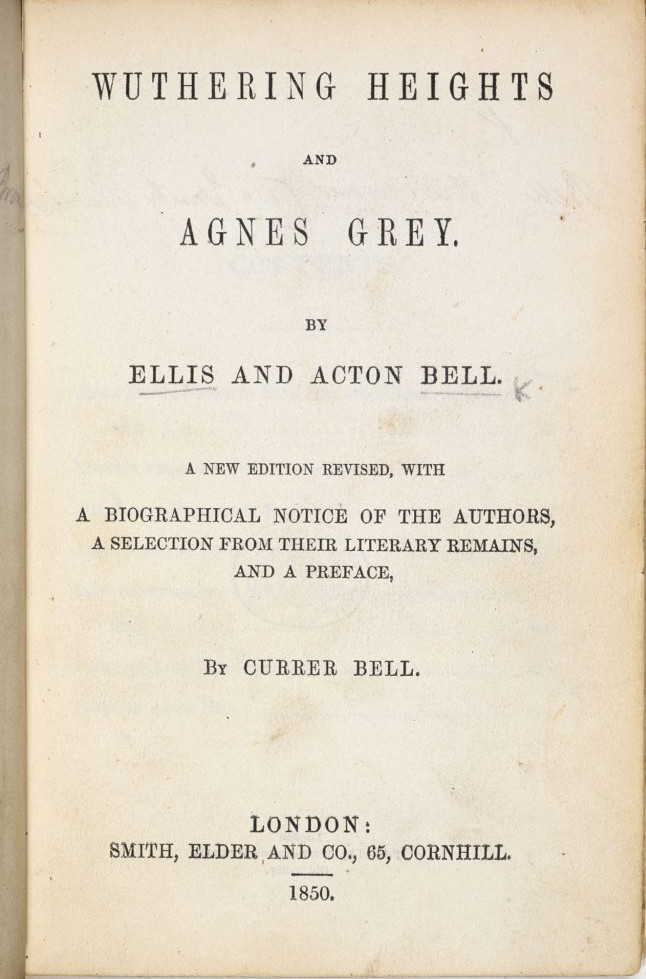
C.71.bb.4
Wuthering Heights; and Agnes Grey
by Ellis and Acton Bell
Author: Emily Brontë, Anne Brontë, and Charlotte Brontë
1850
Image: From the British Library collection
The Commercial Opportunity
Storytelling Potential:
- The Ambassadors is renowned for its technical brilliance, rich symbolism, and the famous anamorphic skull that can only be viewed correctly from a specific angle. It represents the height of Northern Renaissance portraiture.
Immersive Concepts:
- Painted in 1533 by Hans Holbein the Younger
- Features an anamorphic skull as memento mori
- Includes numerous symbolic objects and instruments
- Demonstrates mastery of perspective and detail
- One of the most analyzed paintings in art history